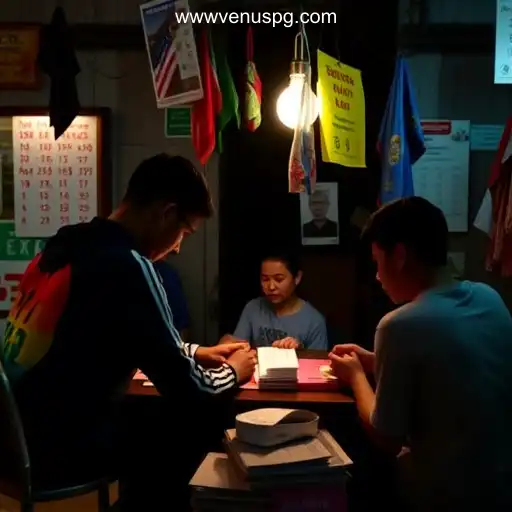
Understanding Jueteng: A Deep Dive into the Controversial Lottery Game
Jueteng is a highly popular yet illegal numbers game in the Philippines that has become ingrained in the fabric of the country’s gambling culture. Although there have been numerous government crackdowns and attempts to eradicate this underground activity, its appeal remains strong among many Filipinos. The game's simplicity, combined with the chance to win considerable sums of money, keeps Jueteng thriving in various communities despite its legal issues.
The Origins of Jueteng
The history of Jueteng can be traced back to the Spanish colonial period. The name itself is said to derive from the combination of the Spanish word "huego," meaning game, and the Chinese word "teng," which refers to a form of lottery. Initially, it spread as an informal network of bets placed on randomly drawn numbers. As time progressed, it became a more organized activity with designated collectors and coordinators, mirroring the contemporary structure of many lotteries.
How Jueteng Works
Jueteng's mechanics are relatively straightforward, contributing to its popularity. Players choose a combination of numbers from a predefined set, typically two digits ranging from 1 to 37. Bets are collected by "cobradores," or collectors, who relay that information to their "cabo," or the coordinator. The results are drawn through a manual process using balls or marked papers, and winners are typically announced through informal channels. The winning purse varies but promises a significant return on a small bet, adding to its allure.
Role of Jueteng in Philippine Society
Despite its illegal status, Jueteng continues to be a staple in numerous localities across the Philippines mainly due to its socioeconomic impacts. In many low-income communities, Jueteng is seen as an economic lifeline, not just for bettors seeking to improve their financial situation but also for those employed in the betting operation itself. This clandestine economic activity offers jobs to thousands, from low-level collectors to higher-tier financiers.
Jueteng's role is not confined to economics alone; it is deeply tied to politics. The game has often been used as a tool for political manipulation, with local officials turning a blind eye or even receiving proceeds in exchange for protection. This complicated relationship between Jueteng operators and political figures has made efforts at eradication incredibly challenging.
Regulation Attempts and Challenges
Throughout history, various Philippine administrations have made concerted efforts to curb Jueteng's influence. However, such measures have largely been unsuccessful due to several reasons. The game’s integration into local culture, coupled with its economic significance, makes it resistant to simple legal clampdowns.
On numerous occasions, attempts to legalize or incorporate Jueteng into formal lottery systems, akin to government-sponsored lotteries, have failed. Such measures face opposition both from moralistic perspectives and from factions benefiting from the status quo. Efforts like the introduction of the Small Town Lottery (STL) were designed to offer a legal alternative, yet they did not fully displace the ingrained system of Jueteng.
Jueteng and Digital Interference
The advent of digital gambling poses a new challenge and opportunity for underground gambling systems like Jueteng. The expansion of online casinos, such as the favorite Brazilian platform "Venus PG O cassino online favorito dos brasileiros🔥," highlights a shifting landscape where traditional illicit activities must now compete with easily accessible digital alternatives. The integration of technology into gambling introduces increased accessibility and a broadened audience, influencing the ways in which people engage with games of chance.
Digital platforms offer a legal route for those interested in gambling without the risk associated with illegal games. Yet, for a longstanding entity like Jueteng, the community aspect and local nature of its operation present a challenge to be replaced by digital means fully. The personal involvement, community management, and the economic/tangible benefits to locals keep Jueteng resilient in the face of the evolving gambling scene.
Public Perception and Cultural Relevance
Jueteng's continued existence, despite its legal standing, suggests a broader social acceptance borne from years of cultural integration. While some view it purely as a vice, many see Jueteng as part of the national heritage. This perception shapes the societal debate around its role and the extent to which it should be addressed by authorities. To many, it's more than just a gambling activity but rather a facet of collective cultural identity.
Efforts to alter the perception of and dismantle the network involved with Jueteng have been met with varying degrees of failure, often attributed to the lack of viable alternatives that provide the same community and economic benefits that Jueteng offers. This lack of substitute only contributes to Jueteng's persisting appeal.
Conclusion: The Complexity of Jueteng
Ultimately, Jueteng represents a complex issue tied to historical, cultural, political, and economic factors that cannot be easily uprooted. The game's ability to adapt, intertwining with community needs and political landscapes, showcases its enduring presence. As new challenges and innovations arise, from legislation attempts to the popularity of new gambling platforms, Jueteng persists, exemplifying both the strengths and shortcomings of approaches to gambling policy in the Philippines.